
Cargo Pants
- Cargo Pants
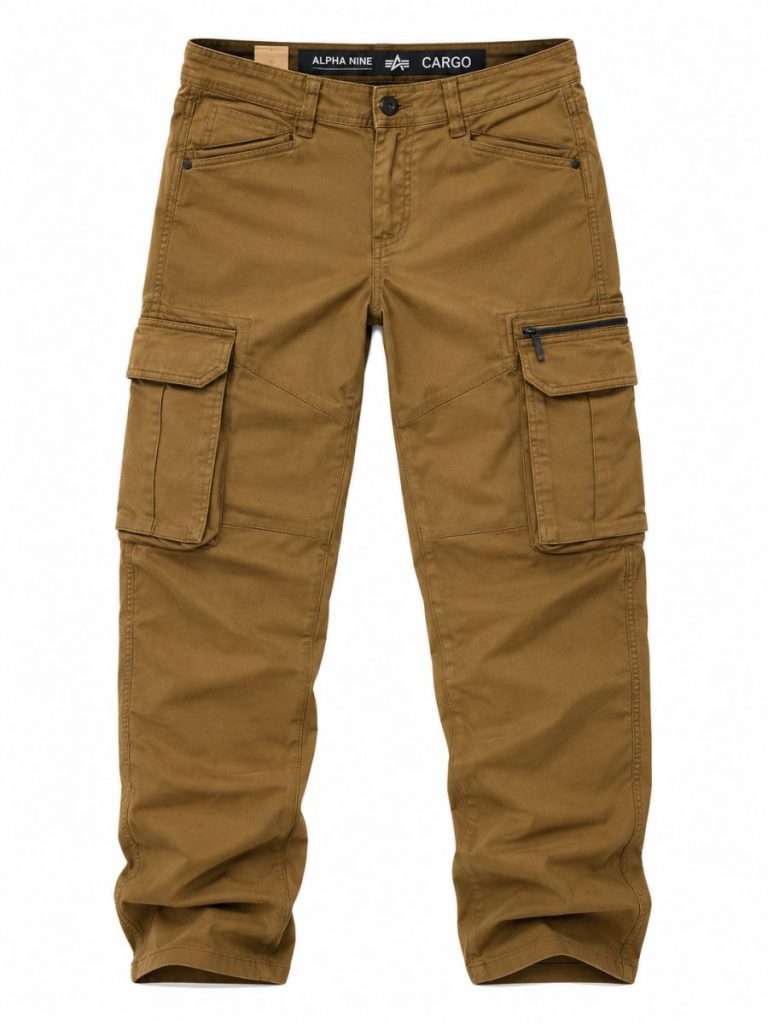
Men’s Dark Brown Cargo Utility Pants – Multiple Pockets & Durable Design
₹199.00 View Product
The Complete Guide to Cargo Pants: History, Fit, Fabrics, and Modern Styling
Few garments have traveled a stranger road than cargo pants. Born as military equipment, adopted by skaters and hip-hop artists, mocked through the 2010s, and now firmly reinstated on runways and city streets alike, the cargo pant has proven itself to be something more durable than a trend — it is a genuine wardrobe staple. This guide breaks down where the style came from, which fabrics are worth your money, how to find a fit that flatters, and how to style cargo pants confidently through every season.
A Brief History: From Battlefield to Streetwear Icon
Cargo pants began as pure function. British military designers introduced the style in the late 1930s, adding large bellowed patch pockets to battle dress trousers so soldiers could carry maps, field dressings, and ammunition without additional packs. American paratroopers adopted a similar design during World War II, and for decades afterward, the silhouette remained almost exclusively utilitarian — standard issue for soldiers, and later a favorite of outdoor workers and hikers who valued the extra storage.
The crossover into fashion happened in the 1990s, when skate culture and hip-hop embraced the loose, functional silhouette as a statement of casual authenticity. By the early 2000s, cargo pants had saturated mainstream retail, often in exaggerated, oversized cuts that ultimately dated the style. The modern revival, which gained serious momentum through the early 2020s, is different in one crucial way: today's cargo pants are designed with tailoring in mind. Cleaner lines, considered pocket placement, and elevated fabrics have transformed the category from novelty to necessity.
Fabric Guide: What Your Cargo Pants Are Made Of Matters
The fabric of a cargo pant determines how it drapes, how it ages, and where it belongs in your wardrobe. Before buying, it pays to understand the main options:
Cotton twill — The gold standard for everyday wear. Twill offers enough structure to hold the shape of the pockets while remaining soft, breathable, and easy to break in. It also takes dye well, which is why the richest olives and khakis are usually twill.
Ripstop nylon — Instantly recognizable by its subtle grid weave, ripstop is engineered so small snags cannot spread into tears. It is lightweight, quick-drying, and ideal for travel or warm climates, though it carries a more technical, outdoorsy appearance.
Heavyweight canvas — The most rugged option, prized for abrasion resistance and longevity. Canvas cargos develop character with wear, much like raw denim, but require a longer break-in period and drape more stiffly.
Recycled and blended technical fabrics — A fast-growing segment as brands respond to sustainability demands. Many blends now combine recycled polyester with cotton or elastane, offering stretch and durability with a lower environmental footprint.
As a general rule, choose twill for versatility, ripstop for performance, and canvas for durability. Whatever the material, check the pocket stitching — reinforced bar-tacked corners are the clearest sign of a pair built to last.
Finding the Right Fit: A Cut for Every Wardrobe
Fit is where cargo pants succeed or fail. The good news is that the category has never offered more variety. Here are the dominant cuts and who they serve best:
Straight-leg — The most universally flattering option and the easiest to dress up or down. A straight cargo in a neutral tone functions almost like a chino with added utility.
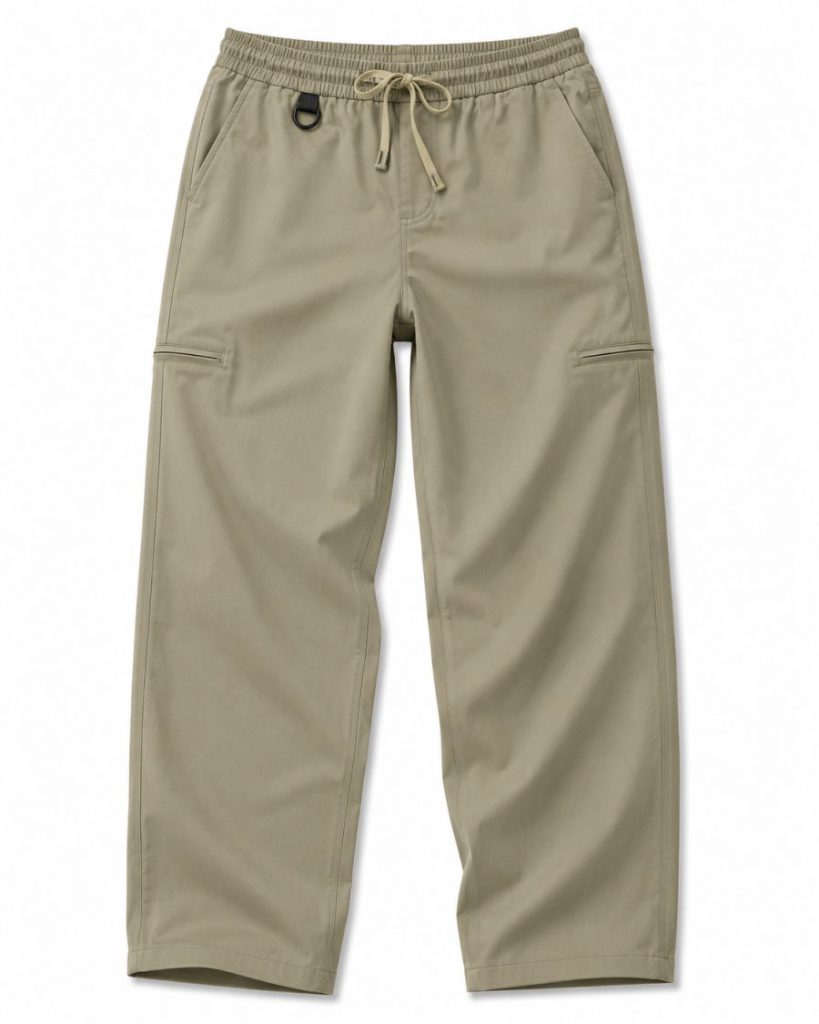
Wide-leg and parachute styles — The most fashion-forward silhouette of the moment, often finished with drawstring hems or cinched ankles to control the volume. Best balanced with fitted tops.
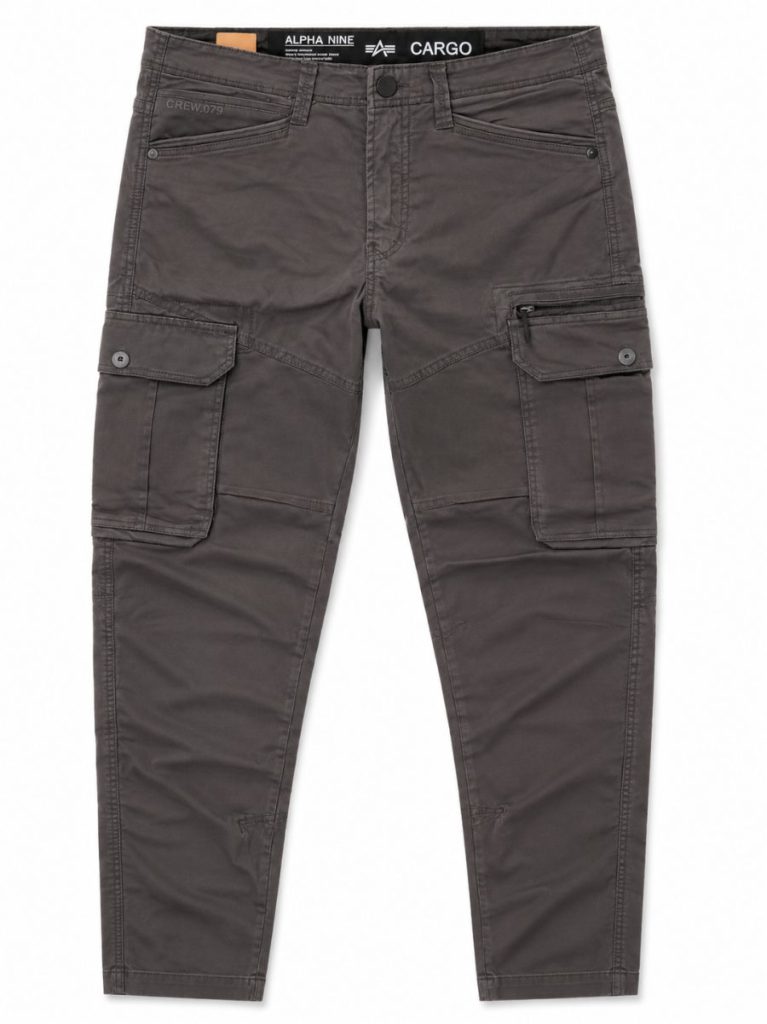
Tapered and slim cargos — A modern hybrid that keeps the utility detailing while narrowing through the calf. Ideal for anyone who wants the aesthetic without excess fabric.
Cargo joggers — An athleisure crossover with elastic waistbands and cuffed hems, perfect for casual, comfort-first styling.
Relaxed low-rise cuts — A deliberate nod to Y2K styling, now worn with more intentional proportions than their early-2000s predecessors.
When trying on any cut, pay attention to where the thigh pockets sit. Pockets positioned too low visually shorten the leg; well-placed pockets sit along the outer mid-thigh and follow the natural line of the trouser.
Styling Cargo Pants Through the Seasons
Spring and Summer
Lightweight ripstop or garment-dyed twill cargos pair naturally with simple tanks, boxy tees, and low-profile sneakers. Lighter colorways — sand, stone, sage, and off-white — feel fresher in warm months than heavy tactical tones. Cropped and ankle-length cuts work especially well here, keeping the silhouette light and letting footwear stand out.
Autumn and Winter
Heavier canvas and brushed twill cargos become genuine layering anchors in cold weather. A fitted knit or thermal base layer, a structured overshirt or field jacket, and leather boots create a balanced silhouette that handles the added bulk of outerwear. Darker olives, browns, and slate tones anchor winter palettes and pair effortlessly with wool and shearling textures.
Current Sub-Trends Worth Knowing
The cargo category has splintered into several distinct directions rather than remaining a single look:
Denim-cargo hybrids — Classic five-pocket jeans reworked with utility pockets, merging two wardrobe staples into one versatile piece.
Tonal dressing — Head-to-toe monochrome styling that treats the cargo pant as part of a cohesive silhouette rather than a standalone statement.
Tailored cargos — Pleated, creased versions in suiting fabrics that bring utility detailing into smart-casual territory.
Cargo skirts and shorts — The pocket language extended across other silhouettes, broadening the trend well beyond trousers.
Muted, earthy palettes — Khaki, olive, and charcoal continue to outsell brighter colorways, reinforcing the category's utilitarian roots.
Care and Maintenance: Making Your Cargos Last
Given the amount of stitching, hardware, and pocket construction involved, a few habits significantly extend the life of a good pair:
Empty pockets completely before washing to avoid strain on seams and closures.
Wash in cold water, inside out, to preserve color — especially on canvas and dyed twill.
Air dry whenever possible; high heat degrades ripstop's tear-resistant weave and shrinks cotton unpredictably.
Repair loose pocket stitching immediately rather than waiting for a full tear.
Fold heavier pairs rather than hanging them to prevent waistband stretching over time.
Five Golden Rules for Wearing Cargo Pants Well
Balance the volume. If the pants are loose, keep the top fitted — never volume on volume.
Match fabric to season. Ripstop and light twill for warmth, canvas for cold.
Keep pockets functional, not overstuffed. Clean lines matter more than storage capacity.
Modernize with footwear. A clean sneaker or structured boot updates the look faster than anything else.
Treat cargos as a foundation. Let one other element of the outfit make the statement.
The Bottom Line
Cargo pants have earned their permanence the hard way — through decades of reinvention across military, subculture, and high-fashion contexts. What remains today is a garment that genuinely delivers on both function and style: durable, versatile, and adaptable to nearly every fit preference and season. Invest in quality fabric, choose the cut that suits your proportions, and the cargo pant will quietly become one of the hardest-working pieces in your rotation.